

As I’ve written about extensively, I have been convicted of crimes. In my younger days, particularly right after the army, I very much did not care about catching a charge or doing a little bit of time. I have had dozens of interactions with the police, and I will say that overall, they are very professional people who are just trying to apply the law to messy human situations.
I do not believe in “defunding the police,” especially in a city where the police may be the only person a single mother can call for help with her violent, drug-addled boyfriend, for example.
I do not believe in limiting police co-operation with federal agencies, especially at a time when our country is overrun with illegal immigrants who have serious criminal histories.
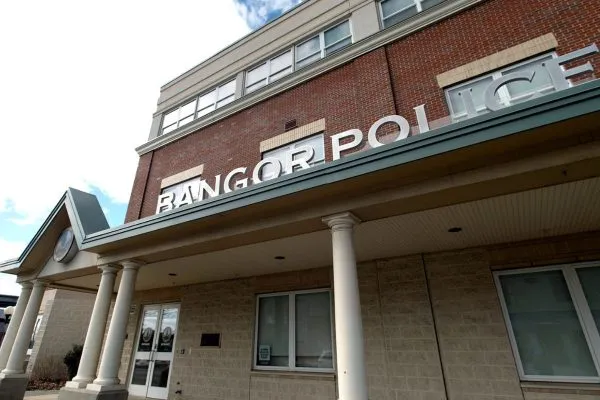
I also do not believe that our police are operating effectively and eliminating the problems that are within their purview, to include drug dealing, shoplifting, and environmental child abuse. From the outside looking in, it appears the police in Bangor mostly focus on traffic stops and equipment violations.
We can do better, but I am not a jerk. I’m not just going to sit in my City Council chair and say what the police should or should not be doing. I’ll take the time to go on ride-alongs with them, meet rank and file members of the department, and ask them what they think would make it easier to go after the bigger problems that we face.
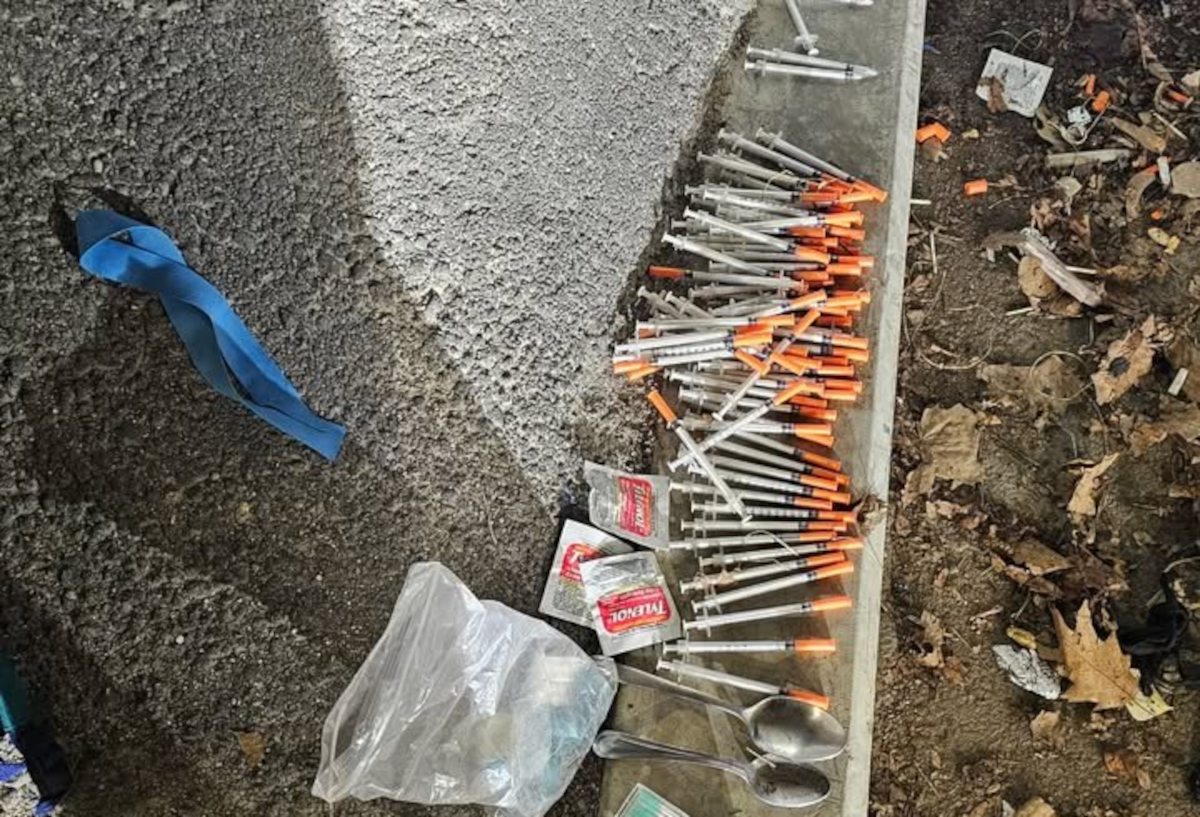
Drugs are prevalent in Bangor, and easy to obtain, yet in February, just 24 felony arrests were made. In Maine, it is a Class C felony to simply possess Schedule W drugs. I do not believe for half a second that less than 24 people were in possession of such drugs during this time. I believe that if the homeless were routinely searched, for example, multiple more felony arrests would be made, and potentially treatment would be found.
The Sober House Gambit
There are a growing number of Sober Houses in Bangor. While this in itself is a good thing, giving people a place to regroup and rebuild their lives without the ability to abuse drugs, we have to make sure these houses are sensibly placed.
I have seen this before. I myself was referred to a rehab facility (for alcohol) as part of mitigating some charges in Hot Springs, Arkansas. That facility was Covenant Recovery, in Pine Bluff, Arkansas. I learned a lot there, but the one enduring thing I took from it was that I wasn’t that bad off, after hearing what some people had done in service of their addictions. I just like to drink beers.
Jeremy McKenzie, the owner of Covenant, helped me get out of rehab and out of “Veteran’s Court” early so I could get my four young children home, after their mother abandoned them. He personally did a lot for me, and his recovery program was worth every penny (about $175 a week at the time).
The program there was work-focused. You would spend the first two weeks creating a debt with the program, then, if you had no problems, you would find or be placed in a job and you would make payments to pay off your debt. I took the easy route to a job: Tyson Chicken.
Everyone worked, everyone was sober, except the screw-ups and the incorrigibles, who were referred back to the justice system.
While we have Sober Houses in Bangor, and plenty of methadone clinics, we don’t have a lot of rehabs. I would consult with Mr. McKenzie and the Bangor Area Recovery Network to seek the establishment of a work-focused, recovery-centric rehab facility under private control. McKenzie built his rehab without a cent of taxpayer money, and now he serves a critical role in both Pine Bluff and Hot Springs, Arkansas.
The solution to the drug problem in this city is not simply the application of more law enforcement, nor is it endless rehab or referral to the methadone clinic with no accountability. Did you know that plenty of people who go to the methadone clinic daily still test positive for the drugs they are trying to get off? We need to address things like this, as uncomfortable as it is.
Tough on Crime
I think too often the real experts — the cops, the judges, the recovery coaches, and the recovered addicts themselves — are not consulted on what would work best for the situation. As with all things in my political life, I will take all feedback which is not harassment, and use it to make decisions and proposals.
While I don’t believe the city should spend much money helping addicts recover, because I believe it is a private industry, I do think it is possible to build out partnerships that create real and lasting change.
And for the dedicated, never-gonna-change, 40+ year old addicts who’ve negatively affected everyone in their lives… we’re coming for you. You will see the inside of a prison cell, like it or hate it. The only solution for incorrigibles like these is to separate them from the rest of society. That really is the bottom line for me.
I do believe the police will operate more effectively knowing they have a friend on the City Council. I’m sick of seeing bums roaming the streets, clearly high on drugs, bothering citizens for money and harassing families. We can do so much better, and we will.
New Jail
Penobscot County is seriously considering building a new jail, which if you’ve ever been inside the current one, is badly needed. They want to build it out in Hampden at a cost of about $80 million. This cost would not be borne solely by Bangor taxpayers, but Bangor’s contribution would be significant.
The question should and will arise: what to do with the old facility? Perhaps, in a more temperate climate, we could lease it to a federal agency. I am looking for feedback from law enforcement on what should happen with the old jail when the new one is built. Should it be converted to a homeless shelter, for example, operated by a church or something? What about a rehab facility?
Once we have a city government that is focused on growing our population and boosting our economy, anything is really possible.
I know that when they built the new jail in Hot Springs it only cost between 42 and $60 million, made possible through a county sales tax. It is vital that a city government like Bangor examine what other, similar-sized cities in the country have done to solve similar problems.