


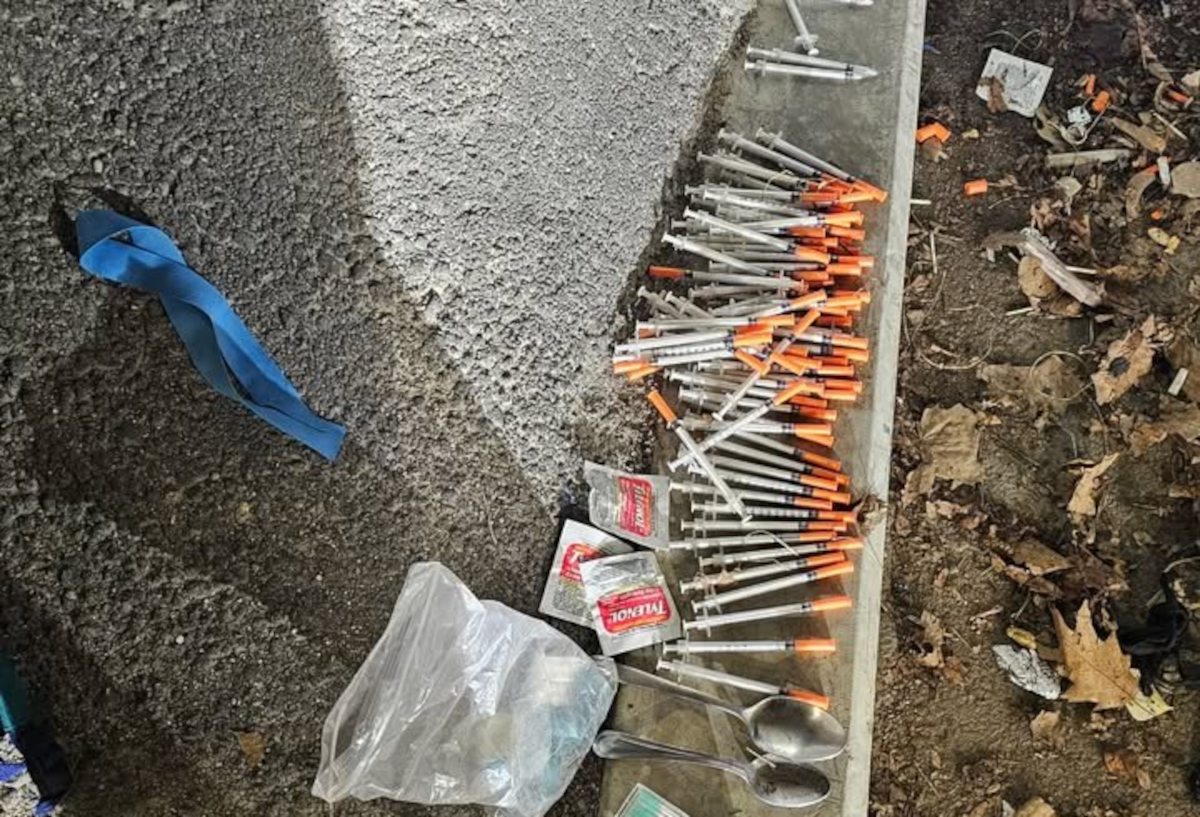

Since October 2023, Bangor and Penobscot County have faced Maine’s largest HIV outbreak on record. Prior to this, Penobscot County typically saw only about two new HIV diagnoses per year overall — and roughly one among people who inject drugs. As of late March 2026, the Maine CDC has confirmed 41 cases linked to the outbreak.
According to the Maine CDC, 95% (39 of 41) of those diagnosed reported injection drug use within one year of their diagnosis, and 90% (37 of 41) were unhoused or experiencing homelessness during that same period.
Public health officials note that the true number of cases is likely higher than reported.
Understanding HIV and Its Transmission
HIV (Human Immunodeficiency Virus) attacks the immune system and, if untreated, can progress to AIDS. It spreads primarily through specific bodily fluids — blood, semen, vaginal fluids, rectal fluids, and breast milk — via:
- Sharing needles, syringes, or other injection equipment (the dominant route in this outbreak).
- Unprotected sexual contact.
- Mother-to-child transmission during pregnancy, birth, or breastfeeding (rare with proper medical care).
- Rarely, through contaminated blood products (screening has made this extremely uncommon in the U.S.).
It does not spread through casual contact, hugging, sharing food, or mosquito bites. Modern antiretroviral therapy (ART) is highly effective. When taken consistently, it can reduce the viral load to undetectable levels, meaning the virus cannot be sexually transmitted. In this outbreak, a significant portion of diagnosed individuals have been linked to care and achieved viral suppression, greatly reducing their ability to transmit the virus.
However, sustained treatment adherence, regular testing, and prevention tools like PrEP (pre-exposure prophylaxis) for those at risk remain critical.Why This Matters for All of BangorThis outbreak is concentrated among people who inject drugs and those experiencing homelessness, but its ripple effects extend beyond any one group.
Untreated or undiagnosed cases can lead to broader community transmission through sexual networks or continued needle sharing that isn’t limited to visibly homeless individuals. Many people cycle in and out of housing instability, and substance use affects individuals across socioeconomic lines. One case is too many.
Left unaddressed, this cluster risks straining our healthcare system, increasing co-infections like hepatitis C, and creating long-term public health and economic costs.
Current Response and What’s Needed Next
Credit is due where it’s earned: In August 2025, the Bangor City Council approved $550,000 in opioid settlement funds to launch an intensive case management program for people diagnosed with HIV. More recently, the council awarded over $640,000 total in opioid funds across multiple organizations supporting recovery and related services.
These steps help with linkage to care, treatment adherence, and support services.
The outbreak has continued to grow since those initial investments. As of early 2026, new cases are still being identified.
If elected to the City Council, my priority will be results on the ground. I will:
- Engage directly with outreach workers and the homeless population to promote testing, harm reduction (including syringe services), and treatment.
- Push city departments to increase proactive outreach, education on safer practices, and connections to housing and recovery resources.
- Ensure clear, factual public communication so residents understand risks and prevention options — because needle use and risky behaviors are not confined to any single demographic.
- Advocate for expanded testing, rapid linkage to care, and broader access to PrEP for those at elevated risk.
I will not spend significant time on secondary committees like cultural development initiatives while core public health and safety challenges demand attention. As one of nine councilors, I cannot dictate every outcome, but I can guarantee where my focus and energy will be: tackling real problems like this outbreak with urgency and practicality.
We can and must do better. Effective policies that combine compassion, accountability, harm reduction, and expanded treatment access offer the best path forward. Bangor deserves a proactive response that protects the most vulnerable while safeguarding the health of the entire community.