



Too many politicians today treat our money as if it’s their money, and they also act like we have an unlimited amount of it. Bangor is a working-class city, and anyone who lives here knows that to be true. While one of my aims is to bring more jobs in — good-paying jobs, too — we must accept the reality as it is: Bangor is broke.
Don’t believe me? The average earner in Bangor brings home just about $700 per week. Of course it depends on how you look at it, right? Plenty of folks working for Bangor Savings Bank are making better money than that, and it brings the “median” figure up. But if you take a look at the jobs available to both skilled and unskilled workers in our city limits, most people are clearing between $700-$1000 per week.
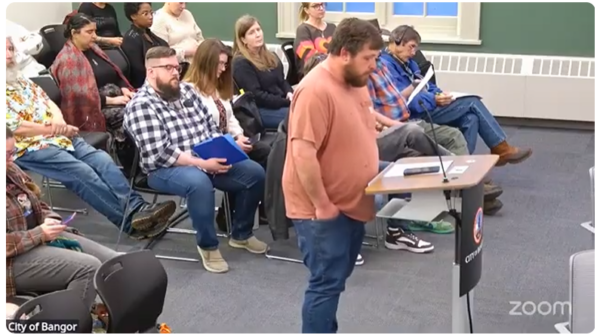
On its face, this may sound like a lot, but then you have to take into account the high cost of living here. My own cost of living, as I detailed in my City Council speech on March 23rd, 2026, is roughly $4500 per month and set to go up with already-approved tax increases. I don’t, at time of writing, make $1000 per week. I am subsidized by the federal government through disabilities I incurred during my time in the Army.
Taxes
The city’s primary source of revenue is through property taxation, which Ron DeSantis, governor of Florida, has described as “paying rent to the government.” The bottom line is that they are already high enough — $17.70 per $1,000 of home’s value.
Perhaps the most offensive part about the “value” proposition is that it is not determined by what you paid for the house, no, it is determined by what other people are willing to pay for your house or, the “market value.” Thus my wife and I saw a severe property tax increase just by choosing to buy our home when we did, because suddenly the value was $100,000 more than we paid for it.
We don’t view this home as an investment vehicle, although we invest in it heavily. We’re not looking to sell it — ever. If we were to sell it, it would be to one of our children, but ideally we would just give it to them when we go on to the next life.
So what am I going to do, you ask?
Well, at every opportunity, I am going to seek to lower the “mill rate” from $17.70 to a more reasonable $12.50. For an average homeowner in Bangor with a $250,000 home, this would save them about $1300. Real money in your pocket that can be used for more important things than frivolous government spending.
This won’t be easy. It’s going to involve a lot small cuts here and there. It’s going to involve shrinking the budget and letting some duplicate or unnecessary government workers go. I will face resistance from the city government itself and from other city councilors.
Growing the Tax Base
One thing that is never considered is how small of a city Bangor remains. Isn’t it crazy to anyone else that after 192 years as a city, we only have 32,000 people? Hot Springs, Arkansas, where I have resided in the past for years, stands at 37,000 people and it’s almost 20 years newer.
Growing the population is no easy task. It involves creating an entry-level job market that graduates of college, high school, and tech schools want to get involved in. It involves affordable housing, a vibrant culture, and safe streets.
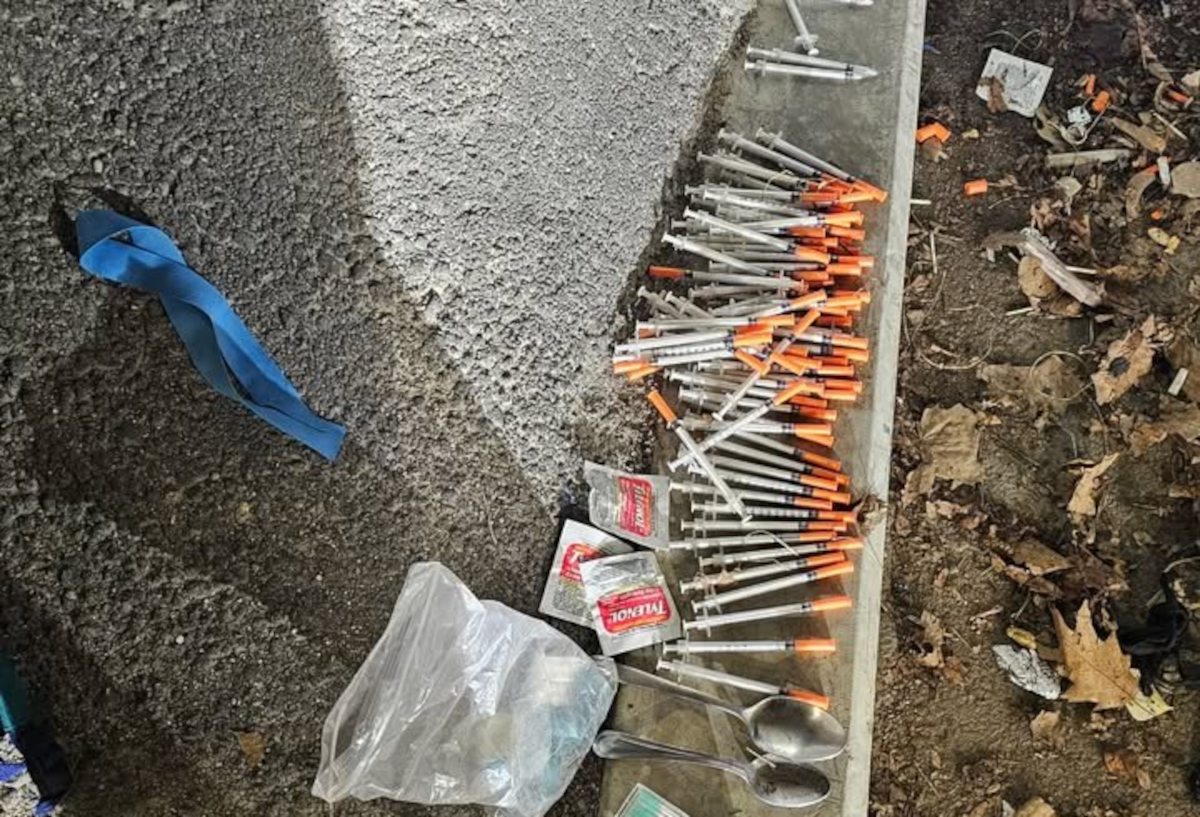
Our liberal overlords have not delivered population growth. They have not delivered affordable housing. They are not delivering safe streets.
As City Councilor I will attack these problems with a ferocity not seen before. Again, I am aware I will face resistance. Many voters have told me that this is all a hopeless cause. I remain undeterred. There is a lot a small city government can do to attract building, business, and people — without placing an adverse burden on its tax base. I will explore every option, and I will be available to discuss the matter with any resident.
Exemptions
Over time, I will introduce property tax exemptions or reductions for the following groups: teachers, retired teachers, firefighters, police, and veterans. I will also seek to create a “low income homeowner” property tax exemption. I cannot say from here, at the beginning of my campaign, how big these exemptions should or will be, but I will do my best, and continue to press the issue with the communists downtown.
Lower Spending
Until our tax base has grown to the point that we have a surplus, we must trim the fat to reach the goal of $12.50. Every city job will be reviewed, every salary assessed. Every city program will be reviewed, and every expense therein assessed for its value to the citizenry. Note, I say citizenry.
This does not include the non-contributing members of the city who pay no taxes at all, whether directly or indirectly. Renters pay property tax indirectly, and they are perhaps the worst off of us all, constantly subject to rent hikes by an ever-shrinking number of rental agencies.
There are a number of creative ways to offset budget cuts. I will consult experts on these matters. What I will not do is blindly assent to 9.3% increases to the overall budget and just throw my arms up saying, “I don’t know what else to do but screw the taxpayer!”
It will be often that I am the sole or one of the few “no” votes, but particularly on issues of raising spending, I will be in the no column. I cannot promise that will be enough to stop the tide of rampant spending, but I will be true to my voters, who are voting for lower taxes.